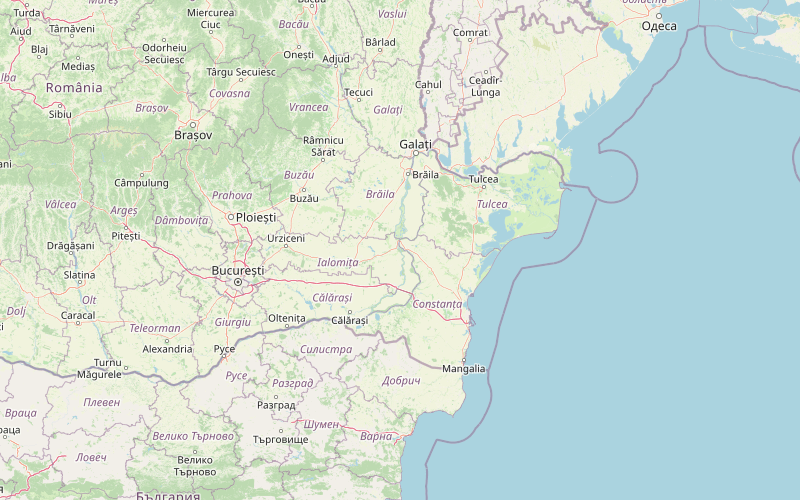

Location
Danube Delta and Murighiol Lake, Romania

Key Facts
The Danube River is one of the most important trade routes in Western Europe. Along with all other major European rivers, it has been strongly affected by the consequences of the extreme drought conditions ongoing in Europe. In some parts of western Europe, in fact, the Danube is unnavigable. As an example, on 12 August 2020, the water level at Tulcea, in Romania, stood at 51 cm (data from the Danube Fairway Information Service Portal), a value which is 6 cm lower than the minimum value required for navigation, and dredging is currently being performed to allow the river circulation.

Actions
The Case Study focuses on the connection between upstream land uses and the coastal and marine ecosystems of the Black sea, including the Danube delta, and connections to the western Black Sea marine basin, under climate change and bring out innovative approaches including NBSs (low-cost, easy to build constructions, compatible with the surrounding environment, with significant results and minimum environmental impacts). ARSINOE intends to follow an integrated watershed management approach, from source to open sea, and provide climate-resilient good practices, that will enhance the adaptive capacity of ecosystems and the local communities involved.

Expected impacts
The Case Study provides a holistic and integrated approach that connects upstream land use with coastal ecosystems. Multipurpose NBSs emphasize that even small scale environmentally friendly interventions may have significant impact in resilience and adaptation to climate change. Furthermore, interventions in the Danubian Delta, like the evaluation of the resilience of biofiltration bacteria and new farming practices on salted soils, are expected to have significant impact in one of the most important European ecosystems. ARSINOE will also improve the linkage between forestry, agriculture, and water management sectors in the Black Sea. It involves a transition in forestry and watershed management and helps improve climate resilience. The strong part of the Case Study is the resilience it may provide to local communities, ecosystems and watersheds through environmentally friendly good practices, economic and ecologic benefits.

Partners Involved